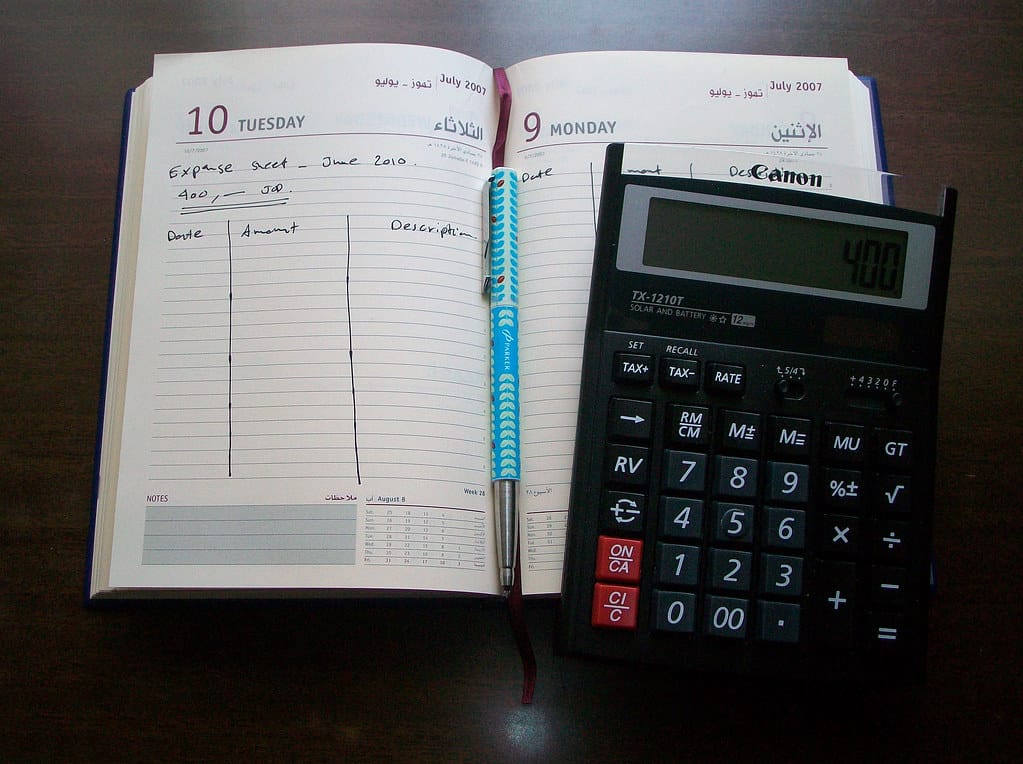
A budget is simply a plan for the money you expect to receive and spend. Done well, it is not about restriction — it is about giving every dollar a job so that essentials are covered, savings grow, and surprises do not force you toward high-cost credit. The best budget is the one simple enough that you actually keep using it.
Why a budget is your first line of defence
Most reliance on expensive short-term borrowing traces back to a cash-flow gap: an unexpected bill arrives before the next paycheck. A budget closes that gap in two ways — it shows where money is leaking, and it helps you set aside a small buffer so a minor emergency stays minor. That buffer is often the difference between a calm month and a costly loan.
A simple, repeatable method
You can build a working budget in about fifteen minutes:
- Add up income. Use your reliable, after-tax monthly income.
- List fixed costs. Rent or mortgage, utilities, insurance, minimum debt payments, subscriptions.
- Estimate variable costs. Groceries, transport, household items — look at the last month or two for realistic numbers.
- Assign the rest. Give remaining money a job: savings, a buffer, or extra debt payments.
- Review monthly. Compare plan to reality and adjust — a budget is a living document.
The 50/30/20 split as a starting point
If you want a quick framework, the 50/30/20 guideline divides after-tax income into three buckets. Treat it as a starting reference, not a rule — adjust the percentages to your real costs.
| Bucket | Share | Example amount | Covers |
|---|---|---|---|
| Needs | 50% | $1,500 | Housing, utilities, food, transport, minimum debt payments. |
| Wants | 30% | $900 | Dining out, entertainment, non-essential shopping. |
| Savings & debt | 20% | $600 | Emergency buffer, savings goals, extra debt paydown. |
Building an emergency buffer
A starter buffer of even a few hundred dollars can absorb a flat tire or a co-pay without borrowing. Build it gradually — automate a small transfer each payday — and aim, over time, toward several weeks of essential expenses.
The point of a buffer is not to get rich; it is to break the cycle where every surprise becomes debt. Once a buffer exists, the occasional emergency stops pushing you toward the high APRs explained in how loans work.
Making the budget stick
- Automate savings so the buffer grows without willpower.
- Use a method you will keep up — a notebook, a spreadsheet, or an app all work.
- Build in a small "wants" allowance so the plan feels livable, not punishing.
- Review at the same time each month so it becomes a habit.
A budget and a healthy credit score reinforce each other, and if you are carrying balances, pair this with our guide to managing debt.
This page explains how borrowing works so you can make informed choices. We are not a lender or broker, there is no application here, and nothing on this page is a loan offer or financial advice.
Frequently asked questions
What is the 50/30/20 budget?
It is a simple guideline that splits after-tax income into roughly 50% for needs, 30% for wants, and 20% for savings and debt repayment. It is a starting framework you can adjust to fit your real costs.
How big should an emergency fund be?
Start with a small, achievable target such as a few hundred dollars, then build toward several weeks of essential expenses over time. Even a small buffer can prevent an unexpected cost from becoming debt.
Which budgeting tool is best?
The best tool is the one you will actually keep using, whether that is a notebook, a spreadsheet, or an app. Consistency matters far more than the specific method you choose.
This page explains how borrowing works so you can make informed choices. We are not a lender or broker, there is no application here, and nothing on this page is a loan offer or financial advice.